“formic acid” search results (58)

Where are most of the aromas of coffee beans concentrated?
Most of the aromas of coffee beans are concentrated in two kinds of oils. Follow the editor to learn more about them. Let's first take a look at what lipids are, that is, aromatic oil concentrates, also known as lipids, generally refer to fats, oils, and waxes. Most of the coffee bean oil is stored in the bean embryo, and only a very small part is covered on the bean surface in the form of wax. Arabica's lipids account for about 1517% of the bean weight, which is better than Rob.
2015-03-11 Coffee beans knowledge most fragrant concentrated where coffee beans
Analysis of acid components in coffee the acidity of washed beans is higher than that of sun-dried beans.
The acidity of coffee is usually considered to be related to the quality of coffee. Acidity is typical of high-value coffee in Central America and East Africa. Excessive sour taste is considered to be the disadvantage of coffee. Acidity is related to growing at very high altitudes and mineral-rich volcanic soils. The acidity of washed beans is higher than that of sun-dried beans. For example, the concentration of sun-dried beans is heavier than that of washed beans, because the concentration obscures the acid of coffee.
2015-10-15 Coffee medium ingredients Analysis washing acidity Solar usually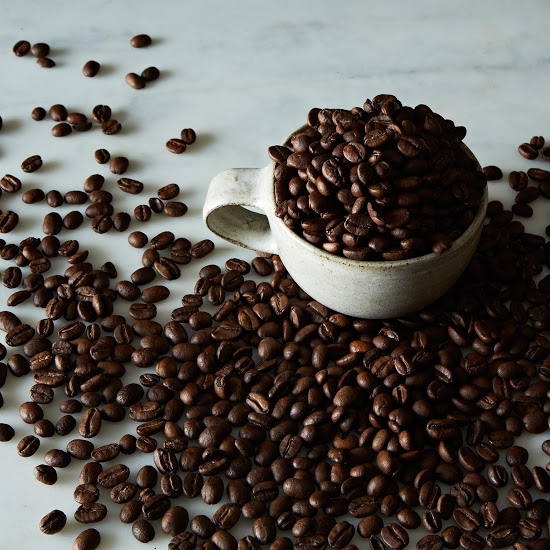
Most of the aromas of coffee beans are concentrated in two kinds of oil.
Most of the aromas of coffee beans are concentrated in two kinds of oils. Follow the editor to learn more about them. Let's first take a look at what lipids are, that is, aromatic oil concentrates, also known as lipids, generally refer to fats, oils, and waxes. Most of the coffee bean oil is stored in the bean embryo, and only a very small part is covered on the bean surface in the form of wax. Arabica's lipids account for about 1517% of the bean weight, which is better than Rob.
2015-10-17 Coffee beans most fragrant rich shrunk two kinds fat coffee beans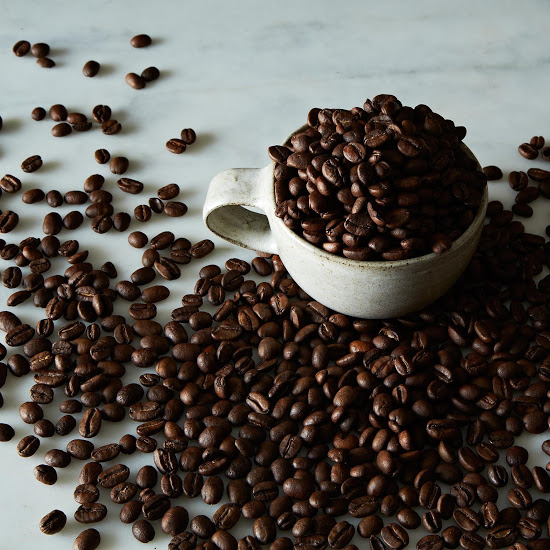
Where are most of the aromas of coffee beans concentrated? Espresso roasted coffee beans espresso
Most of the aromas of coffee beans are concentrated in two kinds of oils. Follow the editor to learn more about them. Let's first take a look at what lipids are, that is, aromatic oil concentrates, also known as lipids, generally refer to fats, oils, and waxes. Most of the coffee bean oil is stored in the bean embryo, and only a very small part is covered on the bean surface in the form of wax. Arabica's lipids account for about 1517% of the bean weight, which is better than Rob.
2016-01-18 Coffee beans mostly aromatic concentrated where roasted Italian coffee coffee beans
World Coffee Manor: introduction of Aiwei Coffee-Rainforest Organic Coffee Certification Manor
First, ivycoffee Coffee contract Manor is the earliest and only organic coffee farm certified by the International Rainforest Union in China. The strictest agricultural product certification standards of the European Union ensure that every coffeebean of Aiwei Coffee can deliver the best coffee flavor to our customers! Figure 1: 90% of the raw beans of Aiwei Coffee come from coffee contracts certified by the International Rainforest Alliance.
2015-12-14 World Coffee Manor Aiwei Rainforest Organic Certification introduction
Coffee flavor tasting: where does the "bitter" and "sour" in coffee come from?
Bitterness: caffeine is the best known bitter ingredient in coffee, but caffeine actually accounts for up to 10% of the bitter taste. This can be understood from the fact that the concentration of caffeine in roasted beans is not affected by the degree of roasting, and that non-caffeine also tastes bitter. So where does the remaining 90% of the bitterness come from? One of the sources of coffee bitterness is brown pigment. Brown pigment
2015-12-14 Coffee flavor taste where does it come from bitterness coffee ingredients people
Why does coffee smell better than it tastes?
For many people, the taste of freshly brewed coffee is the first pick-me-up smell in the morning. But many people say that they like to smell coffee but do not like to drink coffee, because coffee smells more mellow than it tastes! Why is that? In his book Coffee Studies, Mr. Han Huaizong explained that coffee smells better than it tastes better because it has something to do with the nose.
2015-10-12 Why coffee get up than drink curry fragrance guide reading many people say just now good
Is it caffeic acid at high altitude? The higher the Haibo, the better the quality of the coffee. Where does the acid in the coffee come from?
The influence of altitude on coffee flavor the influence of geographical location on coffee bean flavor is profound. All coffee grows in the tropics, and the altitude at which it grows has a profound effect on the taste of coffee. The tropical belt extends from 30 degrees north latitude to the equatorial regions of the southern mountains that produce the world's truly high-quality Arabica coffee. Central and South America, South Asia and some Pacific islands, non-
2016-01-14 Altitude high coffee sour Haibo the higher the quality the better medium from where
Detailed Analysis of Coffee Bean ingredients basic knowledge of Fine Coffee
Moisture: the water content of coffee beans varies greatly with different processing stages and products. The moisture content of wet coffee beans with film is about 50%, while that of dried raw coffee beans is about 10%-13%. The water content of roasted coffee beans is only less than 5%. The existence of water in coffee beans is the same as other kinds of food and beverages, because it contains a considerable amount of hydration colloid macromolecules.
2015-06-06 Coffee beans ingredients details analysis boutique coffee basics common sense moisture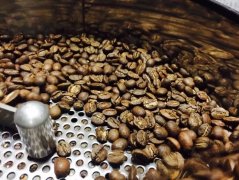
Detailed analysis of mineral carbohydrates in coffee beans
Moisture: the water content of coffee beans varies greatly with different processing stages and products. The moisture content of wet coffee beans with film is about 50%, while that of dried raw coffee beans is about 10%-13%. The water content of roasted coffee beans is only less than 5%. The existence of water in coffee beans is the same as other kinds of food and beverages, because it contains a considerable amount of hydration colloid macromolecules.
2015-10-23 Coffee beans ingredients details analysis minerals carbohydrates moisture coffee beans
Detailed analysis of low molecular weight sugars in coffee beans
Moisture: the water content of coffee beans varies greatly with different processing stages and products. The moisture content of wet coffee beans with film is about 50%, while that of dried raw coffee beans is about 10%-13%. The water content of roasted coffee beans is only less than 5%. The existence of water in coffee beans is the same as other kinds of food and beverages, because it contains a considerable amount of hydration colloid macromolecules.
2015-09-16 Coffee beans ingredients details analysis molecular weight sugars moisture coffee beans content
Detailed Analysis of Coffee Bean ingredients basic knowledge of Fine Coffee
Moisture: the water content of coffee beans varies greatly with different processing stages and products. The moisture content of wet coffee beans with film is about 50%, while that of dried raw coffee beans is about 10%-13%. The water content of roasted coffee beans is only less than 5%. The existence of water in coffee beans is the same as other kinds of food and beverages, because it contains a considerable amount of hydration colloid macromolecules.
2015-07-24 Coffee beans ingredients details analysis boutique coffee basics common sense moisture
Detailed analysis of the ingredients of coffee beans general knowledge of fine coffee
Moisture: the water content of coffee beans varies greatly with different processing stages and products. The moisture content of wet coffee beans with film is about 50%, while that of dried raw coffee beans is about 10%-13%. The water content of roasted coffee beans is only less than 5%. The existence of water in coffee beans is the same as other kinds of food and beverages, because it contains a considerable amount of hydration colloid macromolecules.
2015-02-25 Coffee beans ingredients details analysis boutique coffee common sense moisture coffee beans containing
Detailed analysis of carbohydrates in coffee beans
★ moisture: the water content of coffee beans varies greatly with different processing stages and products. The moisture content of wet coffee beans with film is about 50%, while that of dried raw coffee beans is about 10%-13%, and that of roasted coffee beans is only less than 5%. The existence of water in coffee beans is the same as other kinds of food and beverages, because it contains a considerable amount of hydration colloid macromolecules.
2015-08-25 Coffee beans ingredients details analysis carbohydrates moisture coffee beans content no
Detailed Analysis of the components of Fine Coffee
★ moisture: the water content of coffee beans varies greatly with different processing stages and products. The moisture content of wet coffee beans with film is about 50%, while that of dried raw coffee beans is about 10%-13%, and that of roasted coffee beans is only less than 5%. The existence of water in coffee beans is the same as other kinds of food and beverages, because it contains a considerable amount of hydration colloid macromolecules.
2014-12-24 Boutique coffee common sense coffee beans ingredients details analysis moisture containing
Detailed Analysis of the components of Fine Coffee Bean
★ moisture: the water content of coffee beans varies greatly with different processing stages and products. The moisture content of wet coffee beans with film is about 50%, while that of dried raw coffee beans is about 10%-13%, and that of roasted coffee beans is only less than 5%. The existence of water in coffee beans is the same as other kinds of food and beverages, because it contains a considerable amount of hydration colloid macromolecules.
2014-11-18 Coffee knowledge boutique coffee coffee basics common sense coffee ingredients
Knowledge of high-quality coffee beans detailed analysis of the components of coffee beans
★ moisture: the water content of coffee beans varies greatly with different processing stages and products. The moisture content of wet coffee beans with film is about 50%, while that of dried raw coffee beans is about 10%-13%, and that of roasted coffee beans is only less than 5%. The existence of water in coffee beans is the same as other kinds of food and beverages, because it contains a considerable amount of hydration colloid macromolecules.
2014-09-27 Coffee knowledge coffee bean ingredients boutique coffee beans
Detailed analysis of the ingredients of coffee beans what are the ingredients in a coffee bean?
★ moisture: the water content of coffee beans varies greatly with different processing stages and products. The moisture content of wet coffee beans with film is about 50%, while that of dried raw coffee beans is about 10%-13%, and that of roasted coffee beans is only less than 5%. The existence of water in coffee beans is the same as other kinds of food and beverages, because it contains a considerable amount of hydration colloid macromolecules.
2015-10-09 Coffee beans ingredients details analysis one what moisture coffee beans content no